How To Change Airbnb Profile Photo . Remember, if you edit your name airbnb will ask you to verify your identity by uploading a. Look for the profile photo section and tap edit. airbnb Pitch Deck Redesigned from www.slideshare.net Review payments, payouts, coupons, gift cards and taxes. Review payments, payouts, coupons, gift cards, and taxes. To update your cover photo, click change next to cover photo, and then click the photo that you want as the new cover photo.
Ecg Changes Of Pe. Dilation of the right atrium and right ventricle with consequent shift in the position of the heart. In 24.1% of patients, no new ecg changes were noted, with this finding more likely to occur in patients younger than 60 years.
Pulmonary Embolism Emergency Medicine Cases from emergencymedicinecases.com
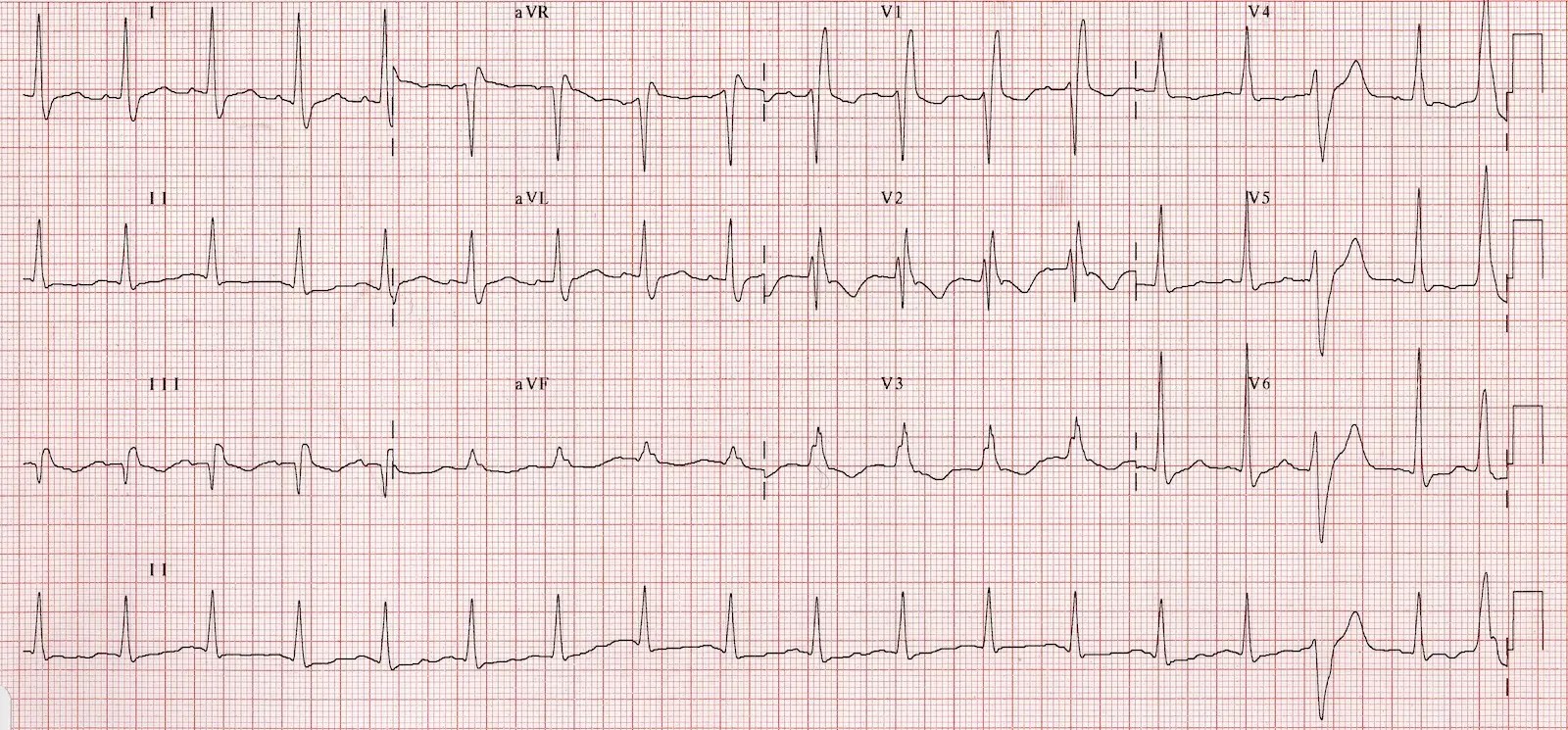
If the ekg changes previously described are present, suspicion of pulmonary embolism increases. S1q3t3 pattern in ecg is seen in acute pulmonary embolism [1]. Distended jugular vein (due to elevated right ventricular pressure).
There May Be T Wave Inversion In The Leads V1, V2, V3.
S1q3t3 pattern is the classical ecg pattern of acute pulmonary embolism which is often taught in ecg classes, though it is not the commonest. National center for biotechnology information The pericardial sac encloses the pericardial cavity which contains pericardial fluid.
Ecg Changes And Clinical Features.
[ 1 ] pulmonary embolism cannot solely be diagnosed using an ecg, but it may be helpful. From the 10 changes we identified in. If the ekg changes previously described are present, suspicion of pulmonary embolism increases.
A New Sinus Tachycardia Occurred In 27.3% Of Cases.
50% have chest pain, typically pleuritic chest pain. There may be right axis deviation and clockwise rotation. Ekg changes associated with pe are the result of a sudden increase in pulmonary vascular resistance leading to dilatation of the right heart, ischemia of the rv, and/or an increased sympathetic drive.
50% Have Dyspnea And Tachypnea.
Distended jugular vein (due to elevated right ventricular pressure). The most common symptoms and signs in pulmonary embolism are as follows: This post describes two ekg patterns of pe which mimic mi.
The S1Q3T3 Pattern Is A Classic Finding, However This Is Uncommon And Is Only Seen In ~12% Of Cases.
The most common ecg finding in pe is sinus tachycardia. Tachycardia is the most common ecg finding (se ecg in pulmonary embolism below). To establish the diagnostic value of prespecified ecg changes in suspected pulmonary embolism (pe).


Comments
Post a Comment